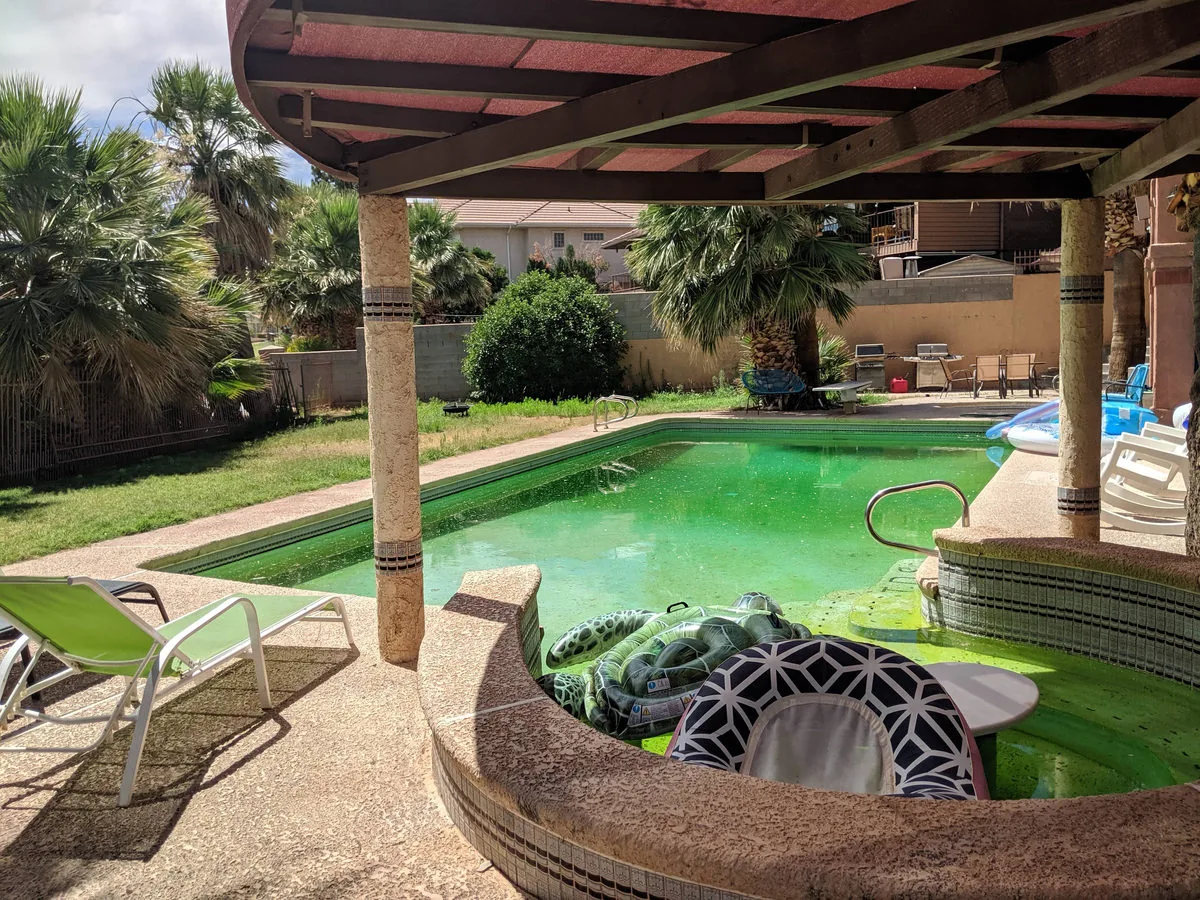
You cannot tell how much chlorine is in a pool just by looking at it. A regular test gives you something to work from. Here are five ways to check it, and a few things to watch for.
Test strips. A quick check: dip the strip, wait and compare the color with its chart. Follow the timing on the package; reading it too early or too late can change what you see.
Liquid test kits. Add the specified reagent to a measured water sample and read the result as the kit directs. Use the right procedure for the kind of chlorine you are measuring.
Digital testers. Some photometers use reagents and a sample cell to measure chlorine. An ORP probe measures oxidation-reduction potential in millivolts, not free chlorine in ppm. Check what your meter actually measures, its range and how to calibrate it.
Automatic monitoring. A maintained, calibrated system can help manage dosing. Check its readings with a suitable independent test and keep up with regular pool care.
Pool service. Your technician can test the water, look at the readings together and recommend an adjustment. Keep checking between service visits, too.
What does the reading mean?
Check free chlorine and pH together, and account for cyanuric acid. CDC recommends at least 1 ppm free chlorine in pools, or at least 2 ppm when cyanuric acid is present, with pH 7.0–7.8. Those are minimum guidance values; follow your disinfectant label and pool’s operating requirements.
CDC recommends testing chlorine and pH at least twice daily, and more often with heavy use. High chlorine can bleach some tests and appear falsely low, so verify a surprising result before adding more. See the CDC home-pool water testing guidance.
If the readings are not making sense, we can help you work through them. Learn about Zion Pools water chemistry service.
Updated : Clarified ORP versus free-chlorine testing and updated testing guidance.
This is an older guide. Follow current equipment and product instructions, and call us for today’s service pricing.